
Hand Made to Order
(7-12 Business Days to Manufacture)
Hand Made to Order
(7-12 Business Days to Manufacture)
Hand Made to Order
(7-12 Business Days to Manufacture)
Hand Made to Order
(7-12 Business Days to Manufacture)
In Stock
(Ships today or tomorrow latest)
In Stock
(Ships today or tomorrow latest)
Hand Made to Order
(7-12 Business Days to Manufacture)
Hand Made to Order
(7-12 Business Days to Manufacture)
Hand Made to Order
(7-12 Business Days to Manufacture)
Hand Made to Order
(7-12 Business Days to Manufacture)

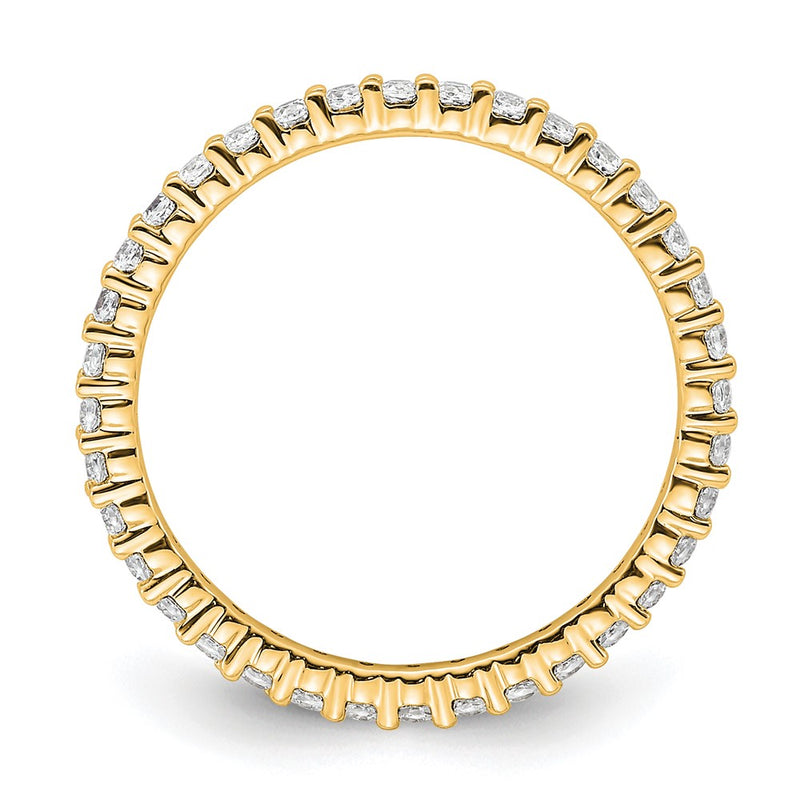
Hand Made to Order
(7-12 Business Days to Manufacture)
Hand Made to Order
(7-12 Business Days to Manufacture)
Hand Made to Order
(7-12 Business Days to Manufacture)
Hand Made to Order
(7-12 Business Days to Manufacture)
Hand Made to Order
(7-12 Business Days to Manufacture)
Hand Made to Order
(7-12 Business Days to Manufacture)

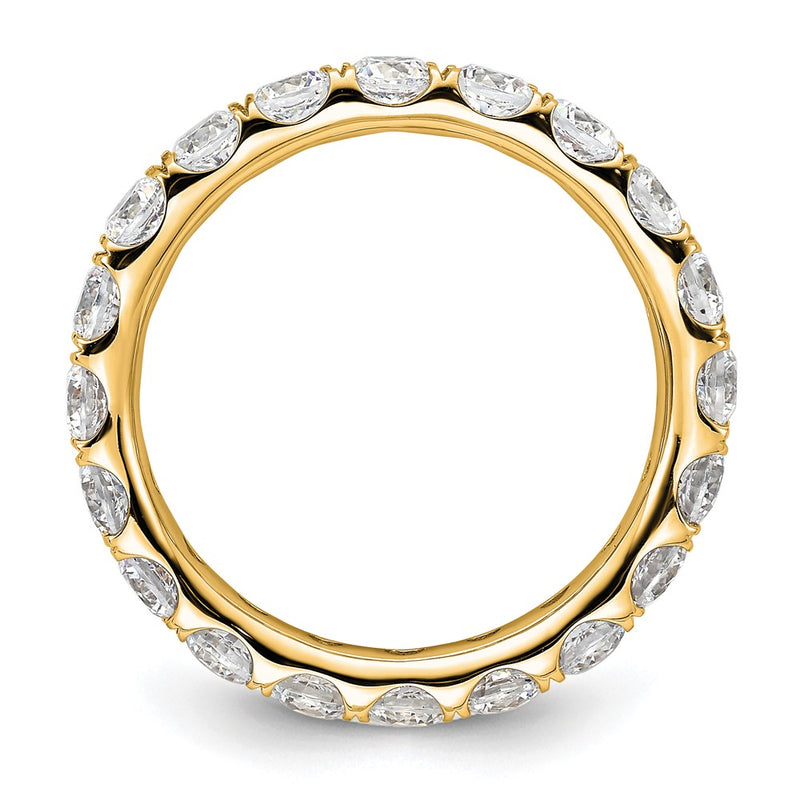
Hand Made to Order
(7-12 Business Days to Manufacture)
Hand Made to Order
(7-12 Business Days to Manufacture)
Hand Made to Order
(7-12 Business Days to Manufacture)
Hand Made to Order
(7-12 Business Days to Manufacture)
Hand Made to Order
(7-12 Business Days to Manufacture)
Hand Made to Order
(7-12 Business Days to Manufacture)
Hand Made to Order
(7-12 Business Days to Manufacture)
Hand Made to Order
(7-12 Business Days to Manufacture)
Gold wedding rings and prices vary more than most shoppers expect, and understanding why helps you find a ring that fits both your finger and your budget. At Goldia, the collection spans 10K and 14K gold in yellow, white, and rose finishes, with styles ranging from classic half-round bands to diamond eternity rings set in shared prong, channel, bezel, and U-prong configurations. That range in style and karat is precisely what drives the price differences you'll see across the collection. A 10K yellow gold half-round band is priced accessibly because it uses less pure gold by weight, while a 14K white gold eternity band set with three carats of diamonds occupies a different tier entirely — and for good reason. All rings in this collection are produced at Goldia's own facility rather than outsourced, which means consistent standards from casting through finishing. Whether you're shopping for a straightforward polished band or a diamond-set eternity ring, browsing gold wedding rings and prices side by side here lets you compare karats, widths, and stone weights in one place. The collection includes widths of 5mm and 6mm, ring sizes from 4 to 9.5, and lab-grown diamond options alongside natural diamond bands — giving shoppers a realistic view of what each style costs at different quality levels.
A mistake many buyers make is focusing on gold color before considering karat, even though karat has a more direct impact on both price and durability than color alone. In this collection, 10K gold bands carry a lower price point because 10K gold contains 41.7% pure gold — less than the 58.3% found in 14K. That difference matters for two reasons: 14K is softer and has a richer color depth, while 10K is slightly harder and more resistant to everyday wear. For a wedding band that will be worn daily, both are practical choices, but they are not identical, and the price gap reflects a real material difference rather than marketing positioning.
Width is another decision that affects both aesthetics and fit. The bands in this collection are available in 5mm and 6mm widths. A 5mm band sits more discreetly on the finger and tends to suit narrower hands, while a 6mm band reads as a bolder statement and pairs well with larger hands or stacked looks. Neither width is inherently better — it is a proportion question worth trying on before committing.
For shoppers drawn to diamond eternity bands, the setting style shifts the character of the ring significantly. Shared prong settings keep the diamonds close together and maximize light exposure, creating a bright, continuous sparkle. Bezel settings wrap each stone in gold, offering a cleaner, more modern silhouette with additional stone protection. Channel settings sit the diamonds flush between two rails of gold, which reads as more understated. U-prong settings split the difference, holding each stone securely while still allowing light in from the sides.
Stone weight is the largest variable in eternity band pricing. The collection includes options from half-carat to three-carat total weight, and that range accounts for a substantial difference in price. Lab-grown diamonds, available here in VS+ F+ grades, offer the same physical and optical properties as mined diamonds at a lower cost per carat — a meaningful consideration when comparing total diamond weight across rings at different price points.
Finally, ring size availability across this collection is wide, from size 4 to 9.5, so confirming your current ring size before purchasing is straightforward — most local jewelers will size a finger for free.
10K gold contains 41.7% pure gold and is slightly harder, making it more scratch-resistant and less expensive. 14K gold contains 58.3% pure gold, which produces a richer color and is generally considered the standard for fine jewelry. Both are durable enough for daily wear as wedding bands, but 14K carries a higher price point that reflects its greater gold content.
Price depends on karat, width, and whether the ring includes diamonds. Plain 10K gold bands sit at the most accessible price point. 14K bands cost more due to higher gold content. Diamond eternity bands vary widely based on total carat weight and setting style — a half-carat eternity band in 14K costs significantly less than a three-carat version in the same metal, even in the same setting style.
Lab-grown diamonds have the same chemical composition, hardness, and optical properties as mined diamonds — they are not simulants. The VS+ F+ graded lab-grown diamonds in this collection offer high clarity and near-colorless grades. The practical advantage is cost: lab-grown diamonds allow shoppers to get more carat weight or a higher quality grade for the same budget compared to mined diamond equivalents.
Width is largely a proportion and comfort preference. A 5mm band sits lower profile on the finger and tends to feel lighter, making it a common choice for those with narrower fingers or who prefer understated jewelry. A 6mm band has a more prominent look and is often chosen by those who want the band to stand on its own as a statement piece. Trying both widths is the most reliable way to decide.

Diamond engagement rings mark one of the most significant purchases most people...

Gold Charms & Charm Pendants | 10K & 14K Gold Jewelry Gold...

Fine jewelry gifts for him cover a wider range of styles and...

Mark this milestone achievement with jewelry that lasts a lifetime. Our graduation...

Let us help make your dream jewelry a reality! Use our easy three part Get-A-Quote form to begin the magic of creating your own,
custom designed jewelry. Fill in your Contact Information, Jewelry Information, Upload Images, and add any Notes - click Submit,
and one of our design team reps will be in touch within 12-24 hours.


