
Hand Made to Order
(7-12 Business Days to Manufacture)
Hand Made to Order
(7-12 Business Days to Manufacture)
Hand Made to Order
(7-12 Business Days to Manufacture)
Hand Made to Order
(7-12 Business Days to Manufacture)
In Stock
(Ships today or tomorrow latest)
In Stock
(Ships today or tomorrow latest)
In Stock
(Ships today or tomorrow latest)
In Stock
(Ships today or tomorrow latest)
In Stock
(Ships today or tomorrow latest)
Hand Made to Order
(7-12 Business Days to Manufacture)
Hand Made to Order
(7-12 Business Days to Manufacture)
Hand Made to Order
(7-12 Business Days to Manufacture)
Hand Made to Order
(7-12 Business Days to Manufacture)
Hand Made to Order
(7-12 Business Days to Manufacture)
Hand Made to Order
(7-12 Business Days to Manufacture)
Hand Made to Order
(7-12 Business Days to Manufacture)
Hand Made to Order
(7-12 Business Days to Manufacture)

Hand Made to Order
(7-12 Business Days to Manufacture)
Hand Made to Order
(7-12 Business Days to Manufacture)
Hand Made to Order
(7-12 Business Days to Manufacture)
Hand Made to Order
(7-12 Business Days to Manufacture)

Hand Made to Order
(7-12 Business Days to Manufacture)
Hand Made to Order
(7-12 Business Days to Manufacture)
Hand Made to Order
(7-12 Business Days to Manufacture)
Picking the best karat gold for a wedding ring is one of the most practical decisions a couple makes during the ring-buying process, yet it rarely gets the focused attention it deserves. Karat measures the proportion of pure gold in an alloy: 10K gold contains about 41.7% pure gold, 14K contains 58.3%, and 18K climbs to 75%. Each level strikes a different balance between richness of color, everyday durability, and price. Goldia carries wedding bands and eternity rings across all three karats — 10K, 14K, and 18K — in yellow, white, and rose gold, so the tradeoff is visible side by side rather than theoretical. The 10K pieces lean practical, offering solid wearability at an accessible price point. The 14K options, which make up the largest share of the collection, sit at the intersection of durability and color depth, and include plain bands as well as diamond eternity rings with lab-grown and natural stones. Understanding which karat actually suits your lifestyle is the clearest path to choosing the best karat gold for a wedding ring you will wear daily for decades. Every piece in this collection is produced at Goldia's own facility rather than outsourced, which means the alloy composition and finish meet a consistent standard across karats.
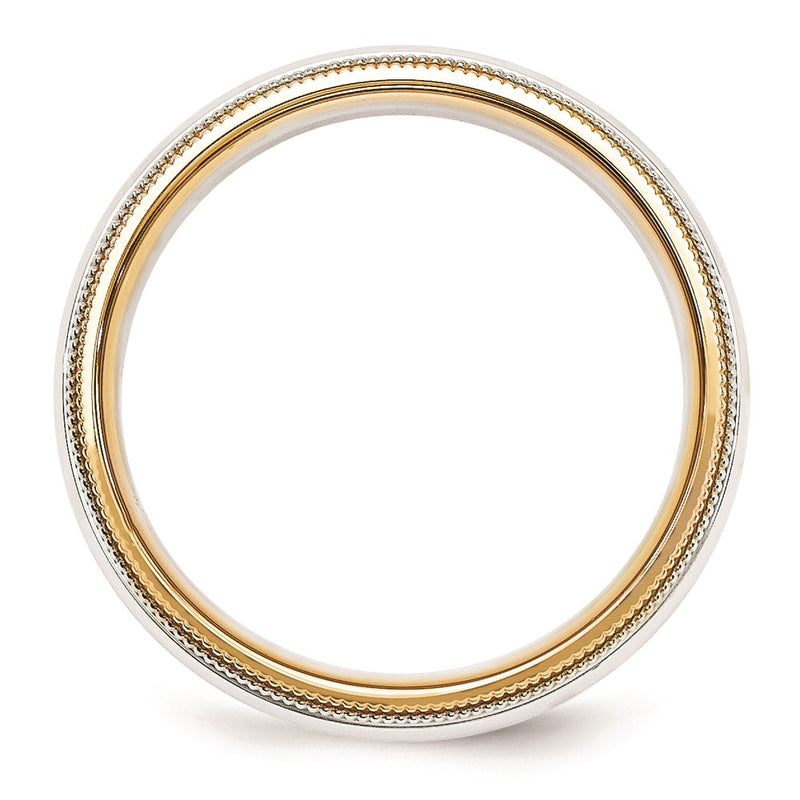
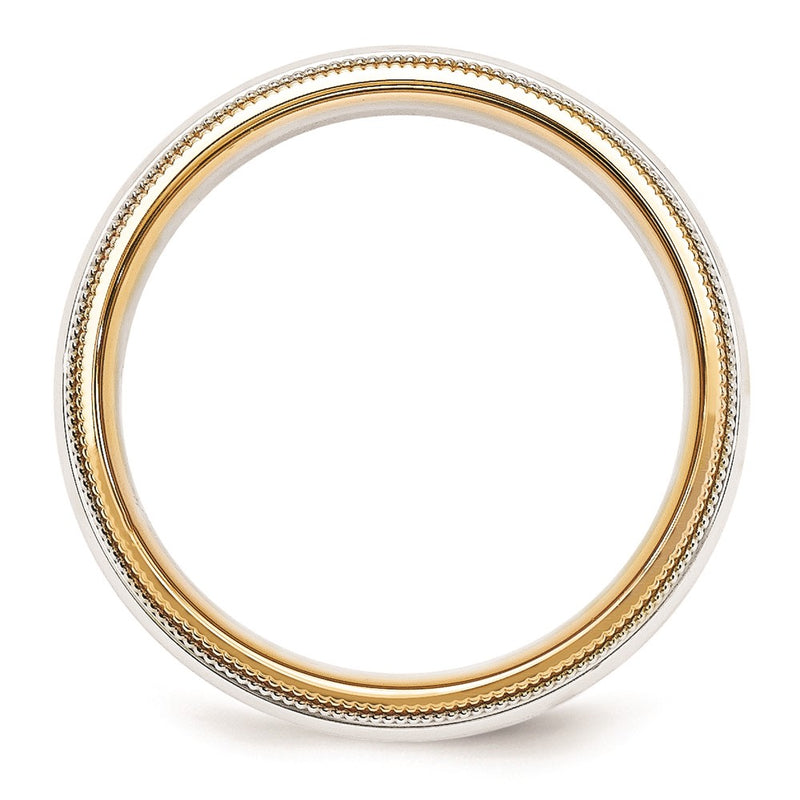
A common mistake buyers make is treating karat choice as purely a budget question, when it is equally a durability and lifestyle question. Higher karat gold is softer because a greater proportion of the metal is pure gold, which is naturally malleable. A 10K band — around 41.7% gold — is alloyed with a higher share of harder metals, making it more resistant to everyday scratches and dings. For someone who works with their hands, exercises frequently, or simply prefers a ring that holds its polish longer, 10K is a genuinely sensible choice rather than a compromise. The 10K bands in this collection include classic half-round profiles in 5mm and 6mm widths, as well as two-tone milgrain and domed styles that add visual character without a premium price.
14K gold, at 58.3% purity, is the most widely used karat in fine wedding jewelry for a reason: it retains the warm, saturated color associated with gold while being hard enough for consistent daily wear. The 14K pieces here span simple polished bands to full eternity rings set with diamonds in shared prong, channel, U-prong, and bezel configurations. If a diamond eternity band is part of the plan, 14K is worth strong consideration because the setting metal needs to hold stones securely over years of wear, and 14K alloys are better suited to that demand than softer 18K.
Style and width are worth thinking through alongside karat. A 5mm band reads as understated on most hand sizes, while 6mm has more visual presence. Domed profiles sit higher off the finger and create a traditional rounded silhouette; half-round bands offer a similar look with a slightly lower profile. Milgrain edging adds texture that catches light differently than a polished finish — a detail that tends to age well and pairs naturally with vintage-influenced engagement rings.
Sizing matters more for wedding bands than for rings worn occasionally, since a band lives on the finger in all temperatures and conditions. If you're between sizes, many shoppers size up slightly for comfort fit bands. The collection covers a wide range of sizes across both 10K and 14K pieces, so finding an accurate fit rather than settling is realistic.
It depends on how the ring will be worn. 10K gold is harder and more scratch-resistant, which suits active lifestyles or hands-on work. 14K gold has a richer color and is still durable enough for daily wear. If a plain band is the goal and durability is the priority, 10K is a sound choice. If color depth or diamond settings matter, 14K is the stronger option.
The number refers to gold purity: 10K is 41.7% gold, 14K is 58.3%, and 18K is 75%. More gold means richer color and a softer metal. Less gold means a harder, more affordable alloy. For wedding rings worn every day, 14K is the most common choice because it balances color, durability, and price. 10K is more practical for active wear; 18K offers deeper color at a higher cost.
Yes, noticeably so in yellow gold. Higher karat yellow gold has a warmer, deeper tone because there is more pure gold in the alloy. White gold color is more consistent across karats since rhodium plating is typically applied regardless of purity. Rose gold color intensity also varies slightly by karat, with higher karats showing a subtler blush and lower karats a slightly more pronounced copper tint.
Width affects both the visual weight of the ring and how it stacks with an engagement ring. A 5mm band is the more versatile option — substantial enough to stand alone but narrow enough to pair comfortably with most engagement ring profiles. A 6mm band makes a bolder visual statement and works well as a standalone ring or on wider fingers. When stacking, the combined width of both rings is worth factoring in.

Diamond engagement rings mark one of the most significant purchases most people...

Gold Charms & Charm Pendants | 10K & 14K Gold Jewelry Gold...

Fine jewelry gifts for him cover a wider range of styles and...

Mark this milestone achievement with jewelry that lasts a lifetime. Our graduation...

Let us help make your dream jewelry a reality! Use our easy three part Get-A-Quote form to begin the magic of creating your own,
custom designed jewelry. Fill in your Contact Information, Jewelry Information, Upload Images, and add any Notes - click Submit,
and one of our design team reps will be in touch within 12-24 hours.


